Services
Start with the problem.
You do not need to choose between product, brand, UX, or strategy. Tell me what is stuck.
Senior thinking and hands-on delivery, without the agency handoff.
Idea to product
You know there is something here. It is not clear enough yet.
I turn the idea into a product direction, working prototype, credible identity, and story people can repeat.
Outcome
- A sharper bet
- Something real to test
- A story customers and investors can follow
- A foundation the team can build
Best for
New products, pre-seed teams, fundraising, prototypes, and first launches.
Work · Idea to product
 BlitzyWe partnered with Blitzy to think through and build their first product: flows, UX, UI and a design system their product consumes, working directly with the founders and their engineers.View case
 World Class HealthWorld Class Health gives employees and their families access to the top 1% of hospitals and doctors worldwide. We built the prototype and platform to reflect that promise.View case
Product to traction
People reach the product. Then something breaks.
Maybe they do not understand it. Maybe they do not trust it. Maybe the experience still reflects the company you used to be.
I find the weak point and rebuild around the action that matters.
Outcome
- A clear diagnosis
- Less friction in the core journey
- A system the team can extend
- A stronger reason to choose the product
Best for
Onboarding, conversion, retention, redesigns, design debt, and product repositioning.
Work · Product to traction
 TightropeTightrope turns enterprise systems that never shipped an API into ones you can call. We built the positioning, the identity, the copy, the product storytelling, the site and the blog system it launched on.View case
 SyzlSyzl connects food entrepreneurs with certified commercial kitchen spaces. We built the brand and product to match the opportunity.View case
Fractional design leadership
The company needs design leadership. The role is not ready yet.
I give the founder and team a senior design counterpart who can set direction and still do the work.
This is the role a fractional head of design fills: senior product and UX leadership, part-time, for a team that needs direction before it needs an executive.
Outcome
- Faster decisions
- A higher quality bar
- Less weight on the founder
- A cleaner path to the eventual hire
Best for
Seed and Series A teams, scattered design work, the gap before a first design hire, product resets, and brand drift.
Work · Design leadership
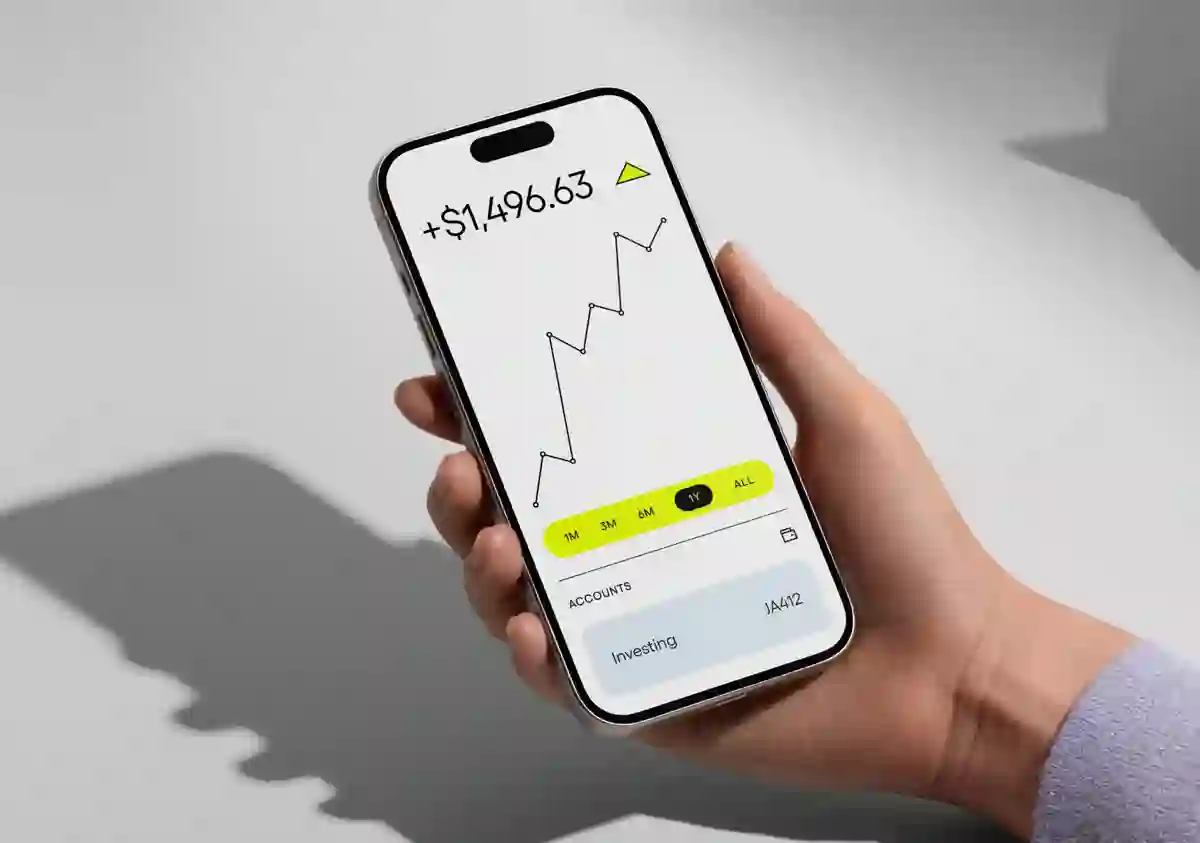 EQXWhere crypto meets clarity. Real-time transparency, public financials, low fees, and top-tier security, designed to be the trusted choice for trading with confidence.View case
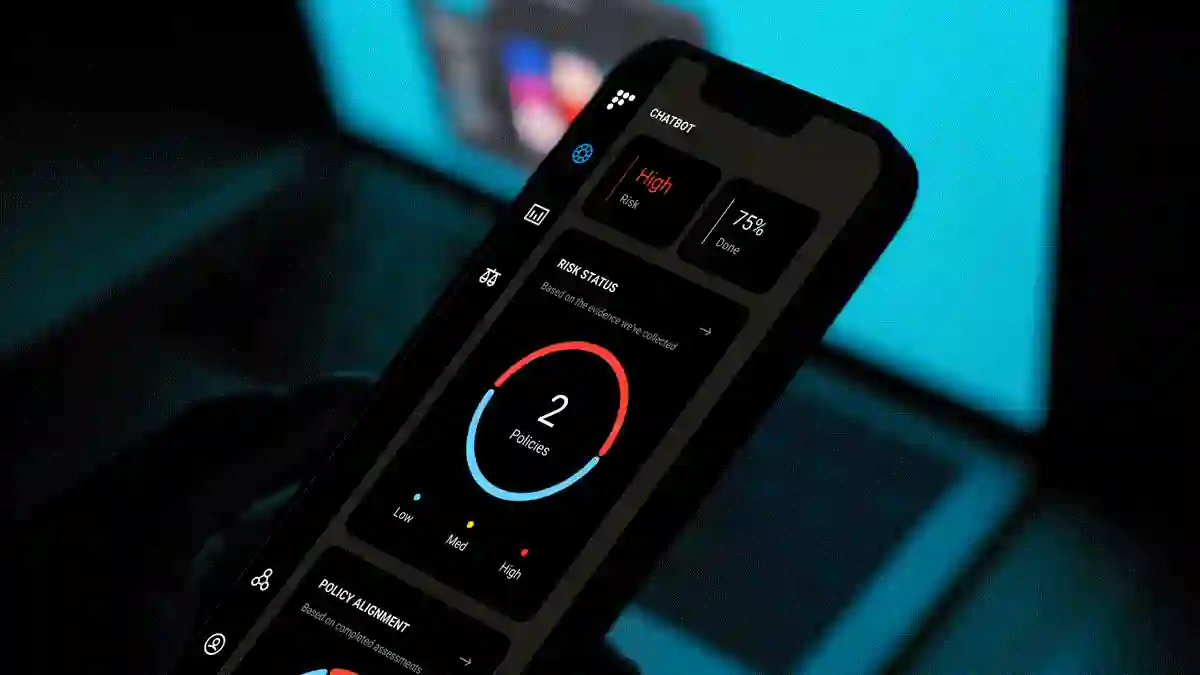 FairlyAIFairly AI automates governance, risk, and compliance for AI systems. We helped them explain a complex product simply, and look like the category leader doing it.View case
Experience vision
The business needs to change. Nobody can see the product it needs yet.
I bring together the people who own the customer, the product and the revenue, turn what they already know into a few directions, and combine the strongest into one connected prototype with the story of how it creates value.
It is a map, not a specification. It stops before production engineering, and your teams still choose how each part gets built.
Outcome
- A destination leadership agrees on
- A prototype people can point at and challenge
- Clear calls on what to fund, stop, and do first
- A roadmap with somewhere to go
Best for
Leadership teams with a fragmented product, a business model in motion, or a roadmap nobody can say adds up to anything.
Work · Experience vision
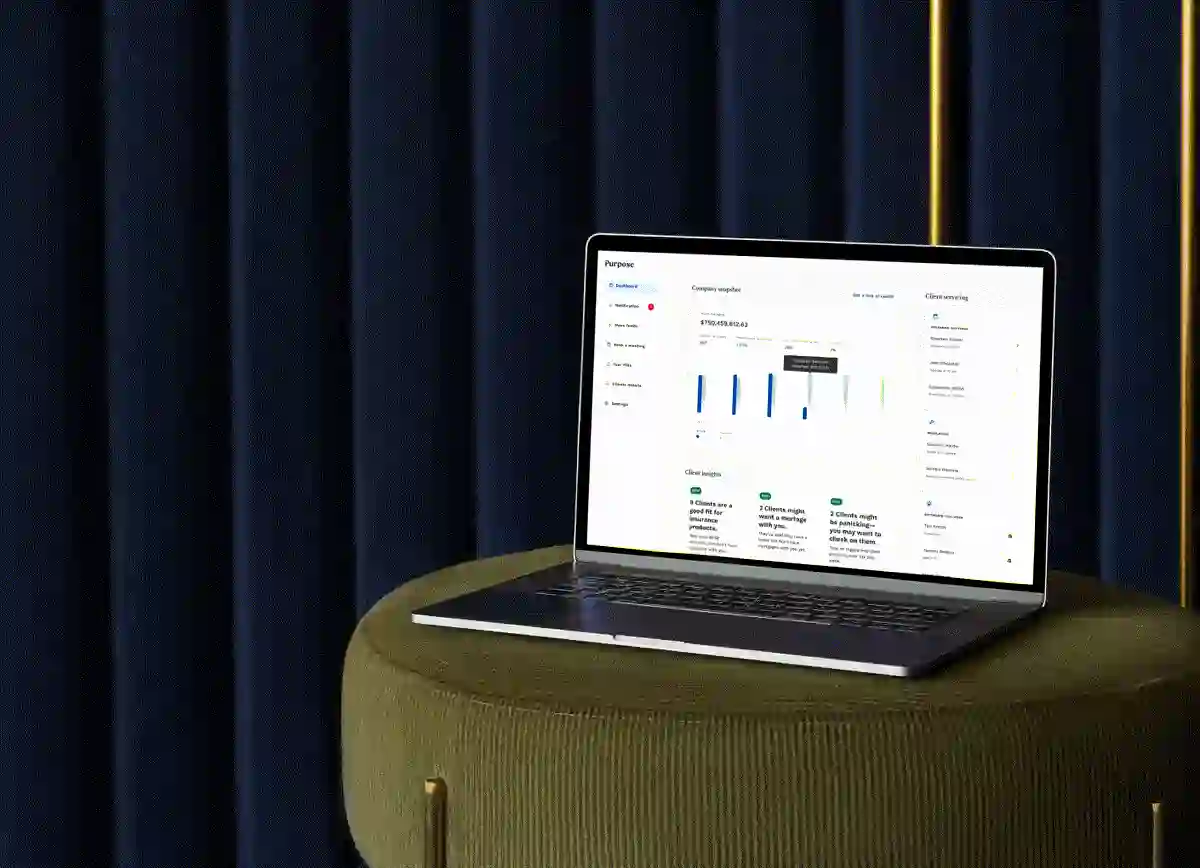 Purpose InvestmentsPurpose Unlimited is reimagining asset management, wealth management, and retirement. We prototyped a next-gen advisory product from discovery through to investor-ready testing.View case
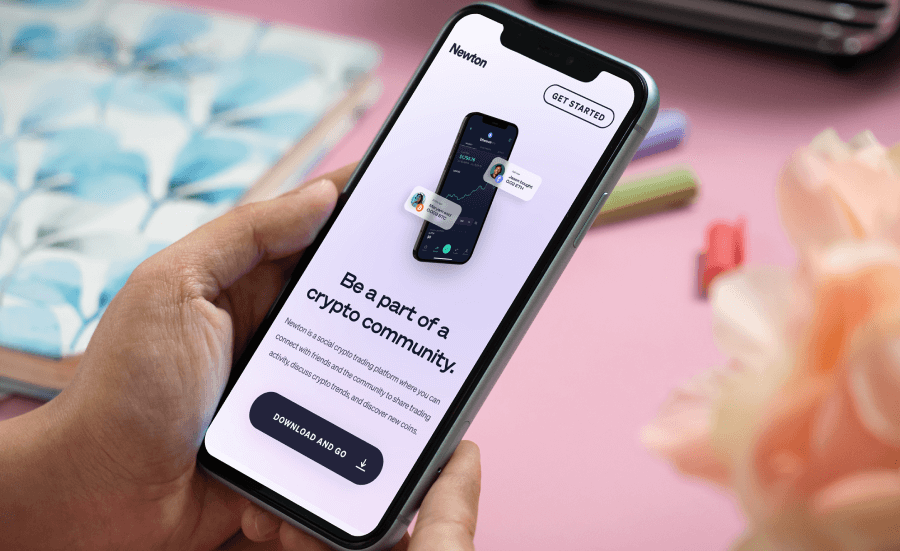 NewtonNewton is Canada's no-fee crypto platform, offering smart trading tools and full regulatory compliance. We supported their product vision and marketing design.View case
Fund branding
The fund is real. The brand still looks like a side project.
Founders decide whether to take your money and LPs decide whether to commit, often from the same website and the same deck. I make the thesis legible to both.
Positioning, brand, website and the fund deck as one engagement, so the deck and the site say the same thing. I did the brand, deck and website for N49P and the brand for Ripple Ventures.
Outcome
- A thesis founders and LPs can repeat
- A brand that looks like a fund in the room
- A website your team can keep current
- A deck and a site that tell one story
Best for
Venture capital firms, emerging fund managers raising Fund I, and accelerators that need a brand, website or LP deck.
Work · Fund branding
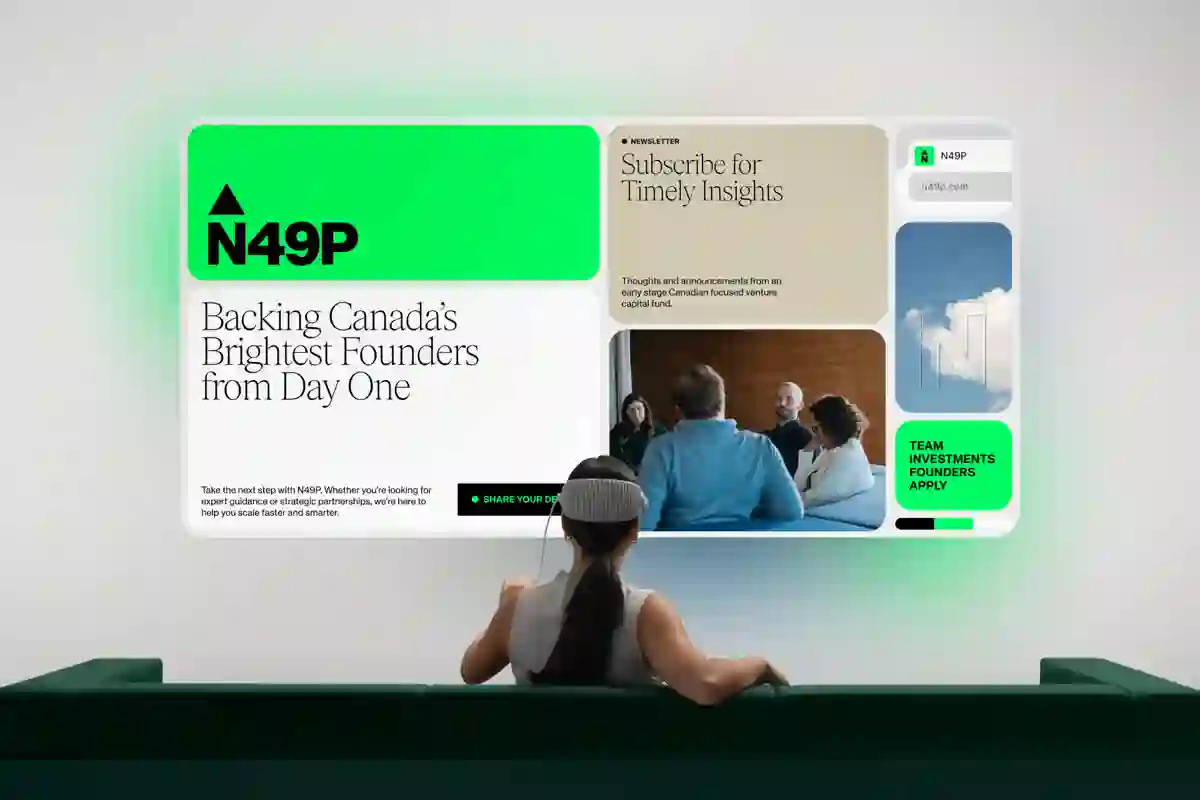 N49PN49P helps startups grow through funding and guidance. To attract more high-profile investors, they needed a polished image and clear messaging. We delivered both.View case
 DMZDMZ is the startup hub at Toronto Metropolitan University, and one of the biggest run by any university anywhere. Founders, students, working professionals and large companies were all landing on the same homepage, so we sorted the site around who you are, refreshed the brand, wrote the words, and left behind a kit the team builds with on their own.View case
Events
The room is full. The brand is the smallest thing in it.
An event brand has two jobs. Before the day it has to sell the seat. On the day it has to hold the room, on the screen behind the speaker as much as on the registration page.
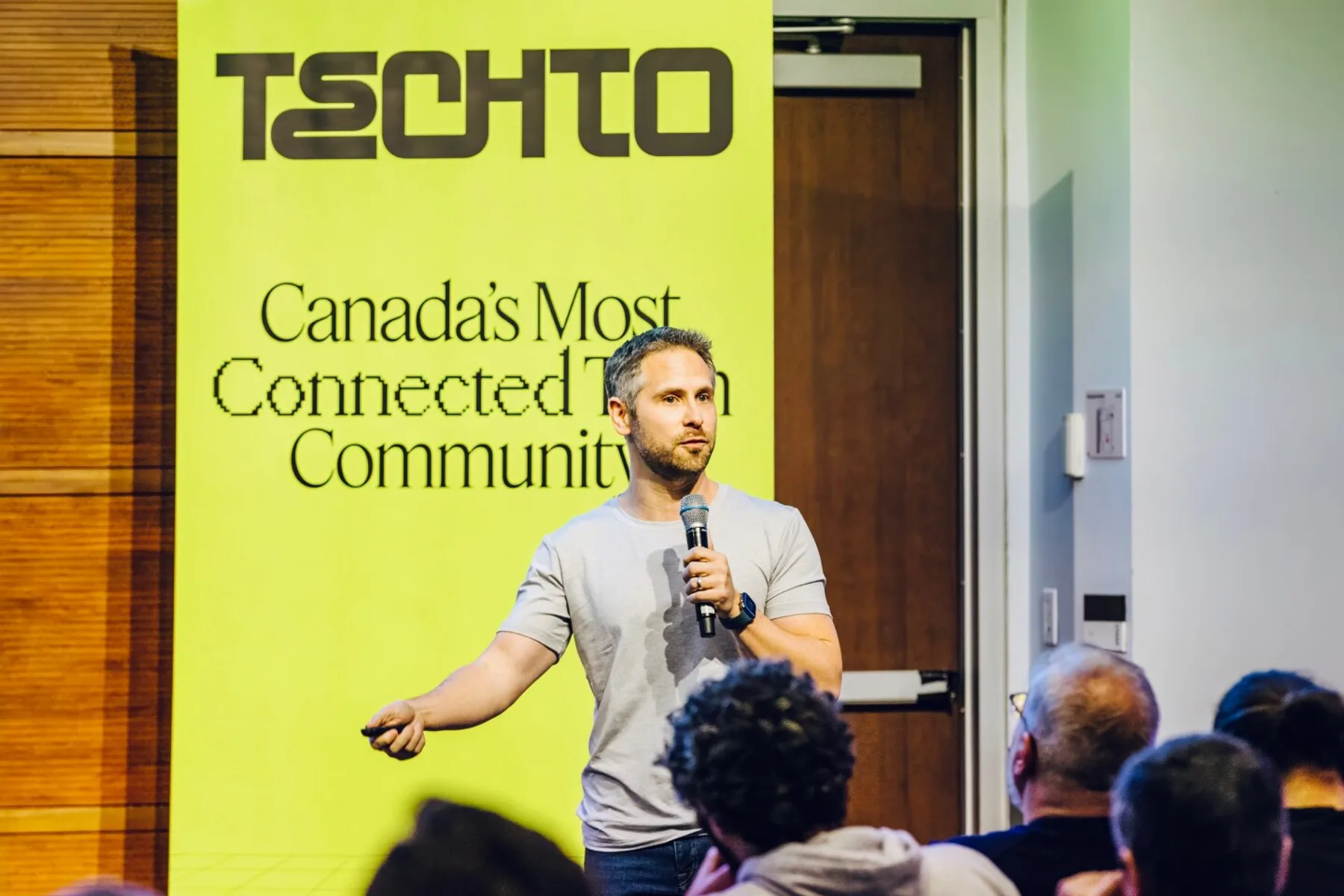
Positioning, brand, website and marketing assets as one system, designed to carry every edition rather than be redone each year. I did the brand, website and decks for TechTO, the brand, website and marketing assets for Inflection Summit, and the brand and website for Peerscale, a founder community.
Outcome
- A reason to attend in one sentence
- A brand that carries to the back of the room
- A website that sells the seat
- A system the next edition slots into
Best for
Conferences, annual summits, leadership events and communities that meet often and plan to run again.
Work · Events
How the studio works
More ownership than a freelancer. More direct than an agency.
I work inside the problem, not outside the company waiting for tasks.
I help decide what matters, make the direction tangible, and carry it through product, brand, website, and launch.
Gev leads every engagement. Specialists join only when the work needs them.
- One active priority
- We move the most important decision before adding more.
- Work in the open
- You see the thinking while it is still useful to react.
- One thread throughout
- The context stays connected from strategy through delivery.
What happens first
A useful direction. Something real. Less uncertainty.
Days 1–3
Find the real problem.
Week one
Make the direction visible.
Week two
Put something useful in front of customers, investors, or the team.
Weeks three and four
Test, refine, and decide what moves next.
Fit
This works when
- The decision matters to the company
- A founder or product owner is involved
- Product and brand cannot be solved separately
- The team wants candid senior direction
- Something needs to move now
Choose another model when
- You need a large production bench
- The brief is finished and only needs execution
- Low-cost volume matters most
- Nobody can own the decision internally
Investment
Start with the smallest useful engagement.
Most work runs monthly. Focused diagnostic, prototype, brand, or launch scopes can be priced separately.
After a short call, I recommend a scope, cadence, and investment based on what needs to change.
Frequently asked questions
- What can happen in the first month?
- A working direction in the first few days, something visible in week one, and something real in front of customers, investors, or the team in week two. Weeks three and four test it and decide what moves next. Engagements are weekly and ship continuously rather than arriving as one large reveal at the end.
- Do you work with an existing team?
- Yes. Most engagements run inside a team that already exists. I join your Slack, work to a weekly rhythm, and plug into your developers and product managers so the work lands in production rather than staying in Figma. There are no account managers and no translation layer between you and the person doing the work.
- Can you help us hire?
- Yes. For startups the work often bridges to a full-time hire: I build the initial product senior-led while helping you source, screen, and hire the permanent in-house design team. For later-stage teams there is a wider track covering org structure, hiring, and how product, design, and engineering work together.
- Do you code?
- Yes. Design engineering is part of the work: production front-end code in your own codebase, prototypes in code, and marketing sites, depending on what the team needs. On product builds I work hand in hand with your engineers rather than handing over static files and hoping they survive implementation. That means a direction can travel from strategy to something shipped without changing hands partway.
- How quickly can we start?
- Usually within days rather than months, because there is no hiring process. Activation runs 48 to 72 hours once scope is agreed. Availability depends on current client load and the roster is deliberately small, so it is worth asking early. Every inquiry gets a reply within 24 hours.
Which problem looks like yours?
Send me the context. I will suggest the right starting point or tell you when another option fits better.
No sales team. No polished brief required.