Compare

In-house design team vs fractional design support: choosing your operating model

Beyond a single hire — when a startup needs embedded internal design as a permanent function, and when external senior support is the better operating structure.

Start a projectSee the fractional service

Quick answer

Build an in-house design team when design is a continuous, core function with enough sustained work to keep several people busy and you need it owned inside the company day to day. Use fractional design support when you need senior design capability and direction without building that internal function yet. Many startups run fractional first, then transition to in-house as the work becomes constant.

In-house vs fractional — what decision are you really making?

An in-house design team is design as a permanent internal function — people on payroll who own it daily. Fractional design support is senior design capability supplied externally and part-time, often layered on top of a small internal team.

This isn't a single-hire question; it's about operating model. Do you need design owned inside the company, continuously, now — or do you need senior direction and execution without building the org yet? If you're instead weighing your very first designer rather than a team, that's a narrower decision — see fractional vs a full-time hire.

When each option makes sense

An in-house team fits when design work is continuous and growing across many surfaces, you need tight daily collaboration with engineering and product, and you're building design culture and systems as a durable advantage — typically post-product-market-fit and scaling.

Fractional support fits when you're earlier, the work is real but not yet a full team's worth, you need senior direction even to define what to hire for, you want to move before a hiring process completes, or you want to add senior leadership on top of a thin internal team.
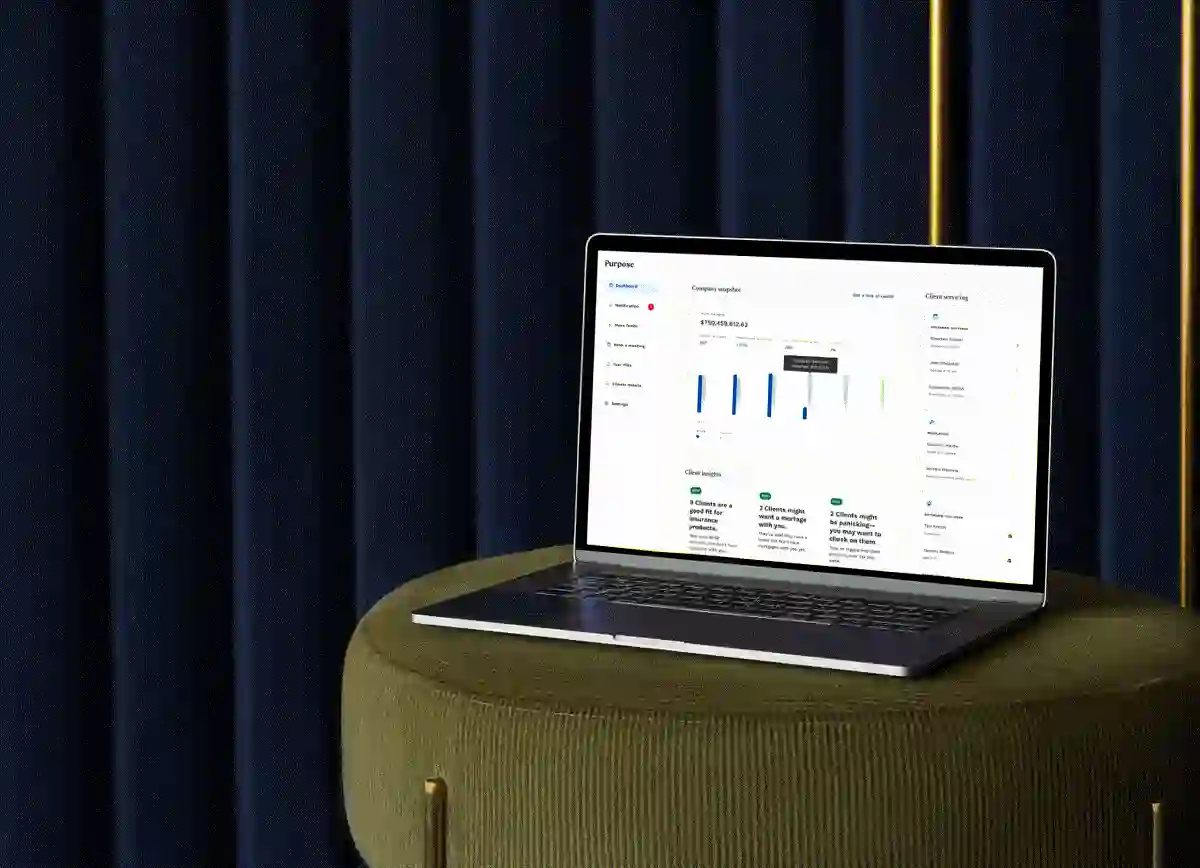
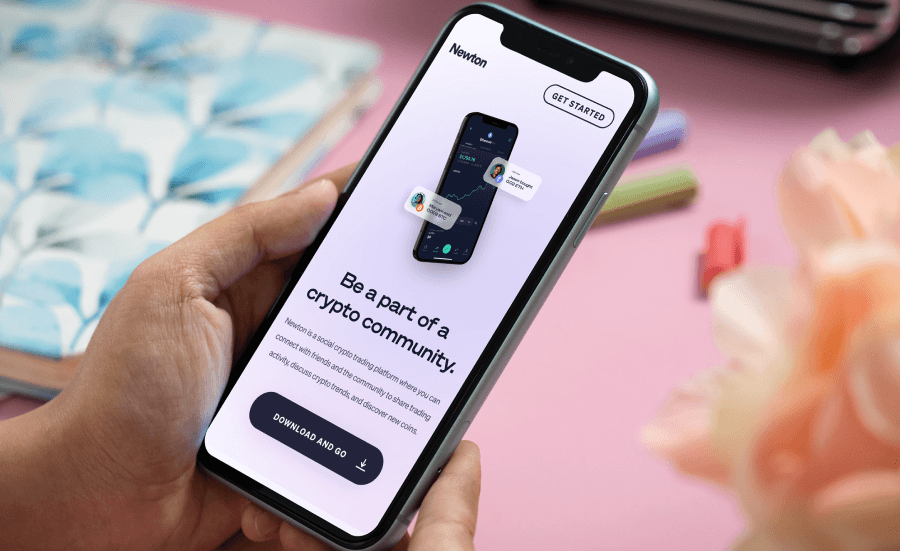
Fractional design support vs an in-house design team
Fractional supportIn-house team
Speed to startDaysMonths to hire and assemble
SenioritySenior, on demandA mix; depends who you hire
Strategic involvementHigh, embedded part-timeOwned internally, across the whole product
FlexibilityScale up or down; layer onto a teamFixed headcount; restructuring is costly
Cost structureScoped retainer, no payroll overheadMultiple salaries, equity, benefits, management
Best stage fitPre-seed to Series A (or augmenting later)Series A+ / scaling
Best forDirection + execution without org-buildingA continuous, multi-surface design function
TradeoffsExternal; not on payroll full-timeSlow and costly to build and change; idle risk early
Collaboration modelEmbedded senior partner + studioPermanent internal function

What founders often get wrong

The frequent mistake is building the team before the workload justifies it — hiring two or three designers for direction that one senior partner could provide, then carrying idle senior salaries. The other is treating this as binary, when the strongest early structure is often fractional leadership over a small internal team.

The misread: hiring a team to get the judgment you actually need from a single senior person. Headcount is an answer to volume, not to direction.

How Gev Design fits

Gev Design provides the fractional, external operating model — senior direction and execution that can also sit on top of a small internal team. It's a strong fit before design is a full-time, multi-surface function, and as a way to set direction while you hire. See the fractional design partner service.

Where it doesn't fit: once design is continuous and full-time across the product, you should build in-house — and we often help define the structure, the roles, and the hiring bar to get there. On accessing senior design affordably in the meantime, see how founders get senior product design on a startup budget.

Selected work

Frequently asked questions

What's the difference between in-house and fractional design?
In-house design is a permanent internal function — designers on payroll who own design day to day. Fractional design is senior design capability supplied externally and part-time. In-house is about owning design continuously inside the company; fractional is about getting senior direction and execution without building that org yet.
Can fractional design support work alongside an in-house team?
Yes — that's a common and effective setup. A fractional senior partner can provide leadership and direction on top of a small or junior internal team, raising the ceiling of the work without adding a full-time senior salary. It's also a good bridge while you recruit your first in-house design lead.
When should a startup build an in-house design team?
When design work is continuous and growing across many surfaces, you need daily collaboration with product and engineering, and you're building design culture and systems as a long-term advantage — usually after product-market fit. Below that threshold, a full team tends to carry idle capacity.
Is fractional design only for companies without designers?
No. Plenty of teams with one or two designers bring in a fractional senior partner for leadership, strategy, and to unblock direction the internal team can't set alone. Fractional support is about adding senior judgment flexibly, whether or not you already have designers in-house.
How do startups transition from fractional to in-house?
Typically the fractional partner helps define the operating model first — the structure, the roles, and the hiring bar — then supports the search and onboards the first in-house lead, handing off systems and context. Done well, the transition is gradual and the internal team inherits a clear direction rather than starting from scratch.

Working on something early-stage?

Tell us what you're building and we'll come back with a clear scope. We reply to every inquiry within 24 hours.