I don’t usually have an agenda when I sit down to write these.
My Substack isn’t a media company. It’s not a growth play. It’s just a place where I put things I’ve learned. Usually from awkward situations, late nights, and conversations with people who’ve figured something out that I haven’t yet.
Nikki is one of those people.
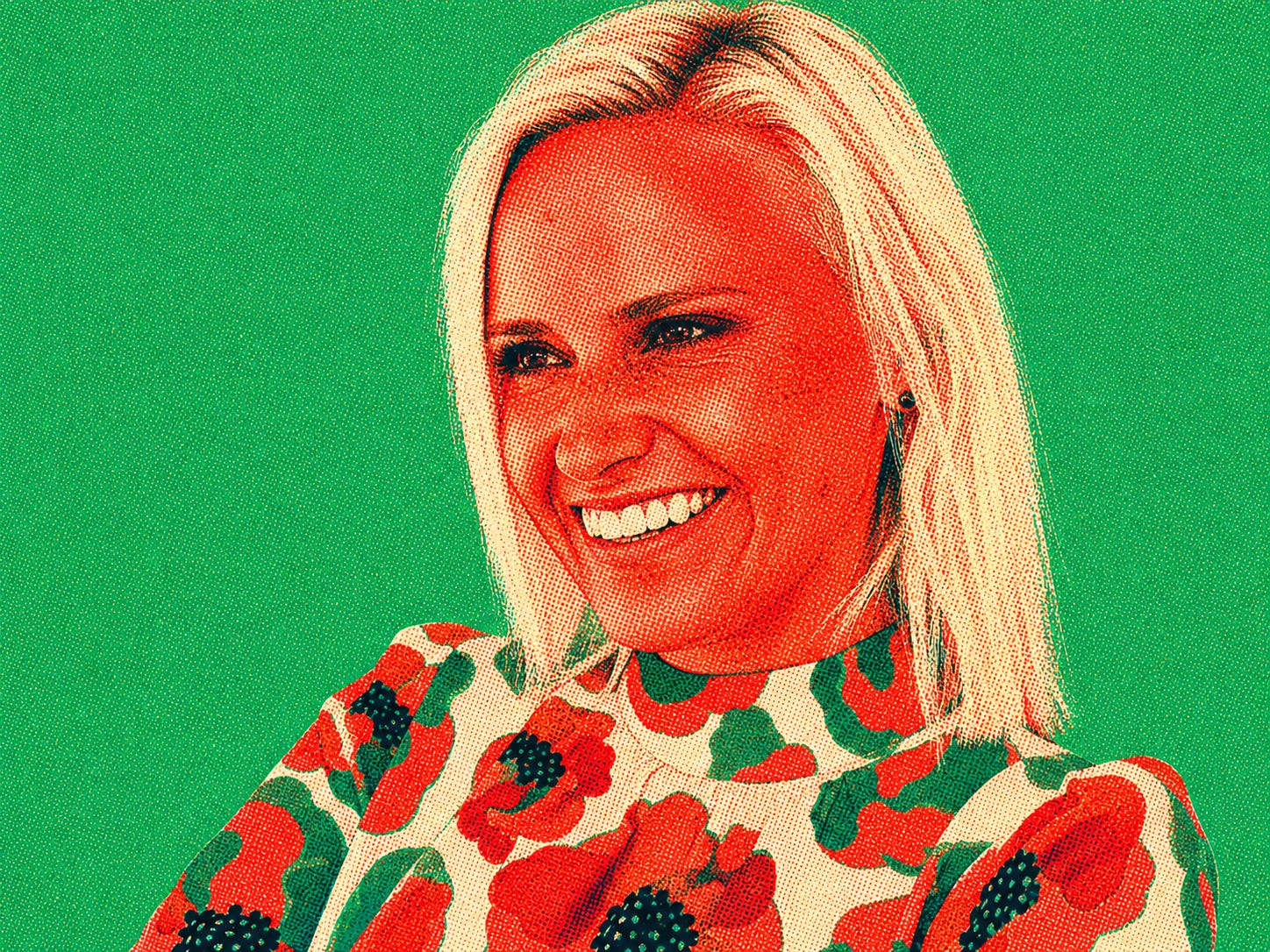
We met through a mutual connection a while back and have stayed in each other’s orbit since. She’s a UX researcher turned AI consultant, 40K followers on LinkedIn, a 15K Substack of her own, and a way of talking about the craft that makes you feel like you’ve been missing something obvious. When I asked if she’d let me record a chat for the newsletter, she said yes almost immediately.
What you’re about to read isn’t a cleaned-up Q&A. It’s a synthesis. Notes from a conversation that went places I didn’t expect, about burnout and pricing and AI and what it actually means to build something honest in public.
She Didn’t Start in Tech. She Started in a Psychiatric Ward.
Before Nikki was a UX researcher, she was on track to get her PhD in clinical psychology. Then she spent two years working in a mental hospital. She was 22, with no real boundaries and a deep well of empathy she hadn’t yet learned to protect.
The repetition wore her down. Constant exposure to severe mental illness, to people whose grip on reality was fragile, to stories that required more emotional bandwidth than any 22-year-old should have to carry alone.
She heard about UX at a party. Tried the design side, opened Sketch, and realized within an afternoon that drawing wasn’t her thing. Then they had one day of user research in the bootcamp.
“I was like — oh. This is what I want to do. Because it actually mirrors quite similarly what I did before.”
The Soft Skill You Can’t Get From a Book
What made her good at research wasn’t the methodology. It was something she’d already built in the hardest possible classroom.
“Everybody has their own version of reality,” she said. “And you take that to an extreme when you’re working with patients versus stakeholders. But your stakeholder’s reality is just as important as what you view reality as.”
When a stakeholder tells her research is too slow, she doesn’t argue them out of it. She steps into it.
“What I’ve found to be very unhelpful is trying to break their version of reality. Rather — understand it. And then ask: what can I do within that reality? Or can I help create a new one?”
Active listening. Patience. Reading the room before you try to change it. She told me those soft skills take years because there just aren’t many low-stakes situations to practice them in. You only get good at hard conversations by having hard conversations.
I told her it took me 40 years. She laughed.
Pricing Everything at Zero (And Then Working Up From There)
The early years were chaotic in all the right ways.
She worked at startups doing research, prototyping, product marketing, and basically whatever needed doing. She went full-time. Got laid off. Went independent. Missed the security. Went back full-time. Got bored. Went independent again.
“It’s like the grass is always greener.”
When the consulting business finally clicked, it wasn’t because she had a strategy. It was because she’d been building on the side while still employed, and one day the math worked out.
“I was making enough per month that if I had more time on it, I could make more. Proven, to the best that anybody can, before taking the leap.”
She was generous enough to share the actual numbers, something most people in this space would never do.
She started at zero. Literally free. Then $15 for a group course. Then hourly. Then mentorship at $500 for six months. Then $1,000. Then up to $8,000 for six months of dedicated, same-day feedback on everything you submitted, not once-a-month check-ins, but every day, same-day responses, 50-page reports reviewed.
Every time she raised prices, she asked herself one question: How does this feel?
Not “will the market accept this?” Not “am I worth it?” Just — how does it feel in my body when I say this number out loud?
“You can’t know how it feels for other people. So all you can do is ask yourself how it feels for you.”
She also flagged something I’ve heard quietly from others but rarely said this directly: there’s real judgment in the UX community around charging for knowledge. The idea that expertise should be given away. She’s made peace with it.
“It’s totally fine to offer some things for free and then do some things for paid.”
Simple. Took her years to actually believe it.
The AI Reckoning in UX Research
When AI tools went mainstream, a lot of product teams started using them as a shortcut for research. Prompting ChatGPT to roleplay as a user persona. Generating synthetic feedback instead of doing interviews. Asking the model to validate ideas and getting cheerful agreement every time.
“Of course AI gives you a high five,” she said. “It’s there for that.”
The result? Research requests dried up. Layoffs followed. A false sense of confidence spread through teams who believed they’d outsourced the hard part.
But Nikki doesn’t see this as the end of UX research. She sees it as the field finally getting what it always said it wanted.
“We’ve been asking for a seat at the table for strategy. And I think that’s where UX is going — who are the people remembering to bring humans into the strategy?”
The usability tests nobody loved running? AI can handle a lot of that now. The synthesis that used to take weeks? Dramatically faster. The real opportunity is the layer above all that: holistic user views, future casting, helping businesses understand where humans are going, not just where they are today.